ADUs: Unlocking Hidden Value in Your Florida Backyard
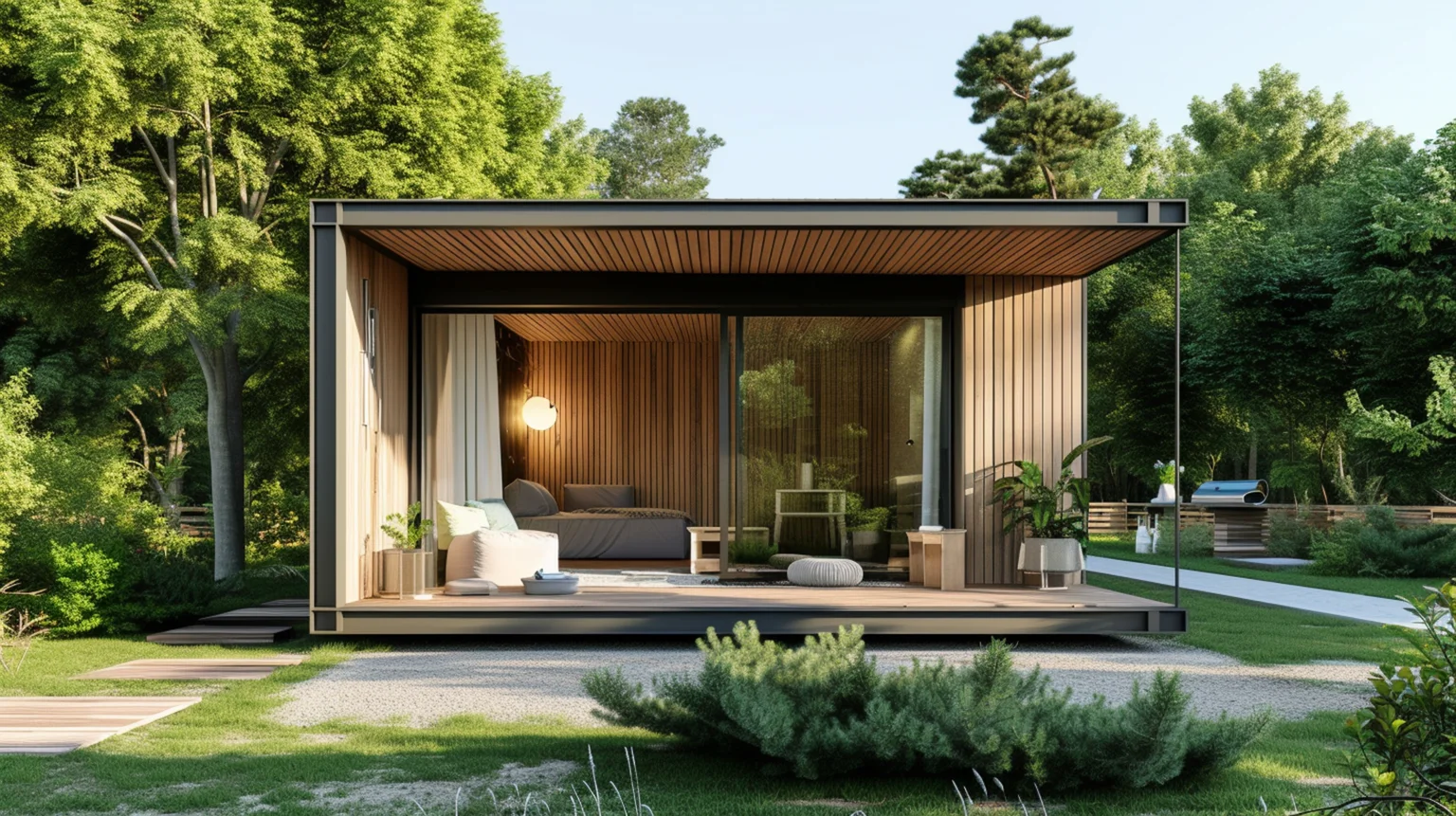
The landscape of Florida real estate is shifting rapidly. As housing demand surges and affordability tightens, property owners and investors are exploring innovative ways to maximize their land through Accessory Dwelling Units (ADUs), commonly known as granny flats or backyard cottages. While legislative headlines focused heavily on proposed statewide reform bills like Senate Bill 48 (SB 48) and House Bill 1389 (HB 1389), the real story for Florida property owners lies in navigating local municipal rules rather than waiting on Tallahassee.
Key Takeaways
- Statewide Preemption Failed: Bills like SB 48 and the HB 1389 companion vehicle failed to pass in the 2025 legislative session, leaving zoning authority entirely with local governments.
- The Competitive Advantage: Because there is no blanket state mandate, knowing your specific county and municipal code creates an immediate edge in finding high-yield properties.
- Immediate ROI: Adding an ADU can increase property value by up to 30% to 49% and generate consistent passive rental income.
- Local Feasibility Factors: Lot size minimums (often 6,000+ sq ft), setbacks, owner-occupancy rules, and utility hookups vary drastically across Florida counties.
Table of Contents
- What is an ADU?
- The Legislative Reality: Why SB 48 and HB 1389 Stalled
- The Bill Died: What Your Florida County Actually Allows
- The Advantages of Building an ADU
- Is Your Lot Buildable? The 6,000 Sqft Rule
- Investahaus: Your ADU Strategy Partner
What is an ADU?
An Accessory Dwelling Unit is a smaller, independent residential dwelling unit located on the same lot as a standalone single-family home. They can be detached (a separate cottage), attached to the main house, or even a converted garage.
Types of ADUs
- Detached: Independent structures in the backyard.
- Attached: Additions to the primary residence.
- Interior Conversions: Basement or garage apartments.
- JADUs (Junior ADUs): Smaller units (under 500 sq ft) created within the existing walls of a home.
The Legislative Reality: Why SB 48 and HB 1389 Stalled
During recent legislative cycles, Florida lawmakers introduced Senate Bill 48 (SB 48) alongside its House companion vehicle House Bill 1389 (HB 1389). The intent was straightforward: create statewide by-right ADU approvals to address Florida’s housing shortage by curbing the ability of local cities and counties to block accessory dwellings.
However, the legislation sparked severe pushback from local governments, municipal leagues, and neighborhood associations fighting to protect local home rule. Key sticking points included infrastructure burdens, parking impacts, stormwater management, and loss of local zoning discretion. As a result, the preemption bills failed to pass in the 2025 legislative session.
Unlike California or Oregon, where sweeping state legislation stripped local municipalities of their power to ban ADUs, Florida remains firmly a local-control state.
The Bill Died: What Your Florida County Actually Allows
The death of statewide preemption is precisely where the competitive opportunity exists. Since there is no one-size-fits-all state mandate, homeowners and investors who understand local Land Development Regulations (LDRs) can unlock massive value while others remain confused.
Here is how major Florida markets currently treat ADU development:
| Jurisdiction | Local ADU Status | Key Rules & Nuances |
|---|---|---|
| Miami-Dade County | Permitted in single-family residential zones (RU-1) | Specific setbacks, maximum square footage limits (typically 600 to 800 sq ft), and utility connection requirements apply. |
| Orlando & Orange County | Allowed in designated urban residential districts | Detached cottages permitted with architectural compatibility guidelines and standard building setbacks. |
| St. Petersburg & Pinellas | Highly supportive in Traditional Neighborhood zones | Expanded zoning overlays allow gentle density and backyard units to expand missing-middle housing. |
| Tampa & Hillsborough | Permitted under specific zoning classifications | Must comply with accessory structure setbacks, lot coverage maximums, and designated parking standards. |
| HOA Communities | Governed by private deed restrictions | Private HOA covenants supersede municipal zoning permissions; deed restrictions can still prohibit ADUs. |
Understanding your local county or city requirements is the key to determining whether an ADU can be legally permitted and built on your parcel.
The Advantages of Building an ADU
Building a secondary unit isn’t just about extra space; it’s a strategic financial move.
1. Passive Rental Income
An ADU can serve as a long-term rental or a short-term “Airbnb” style stay (where local laws permit). This income can often cover a significant portion of the primary mortgage.
2. Increased Property Resale Value
Homes with buildable lots or existing ADUs are in high demand. In a competitive market, having a “income-producing asset” on your property makes it stand out to future buyers.
3. Sustainable Density
ADUs allow for increased housing density without changing the character of the neighborhood, making them an eco-friendly choice for urban development.
Is Your Lot Buildable? The 6,000 Sqft Rule
In many parts of Florida, the “magic number” for ADU feasibility is 6,000 square feet. While specific setbacks and floor-area ratios (FAR) vary by city, having a lot of this size often provides the necessary space to meet local zoning requirements for a detached unit.
Does Your Property Qualify?
If your lot is 6,000 sqft or larger, you could be sitting on thousands of dollars in untapped equity. Investahaus is actively looking for properties with ADU potential.
Investahaus: Your ADU Strategy Partner
At Investahaus, we don’t just buy houses; we identify opportunities. If you own a property that you think has ADU potential but don’t want to deal with the permits, construction, and management, we are here to help.
We specialize in purchasing properties where we can unlock value through creative development. Whether you want a fast cash offer or are interested in our hybrid listing model to showcase your property’s hidden ADU potential to the right buyers, our “Solution Pillars” are designed for you.
Get Your Offer Today
Don’t let your backyard go to waste. If you’re ready to explore what your property is truly worth with untapped ADU potential, let’s talk.
Contact an Investahaus Specialist Now
Frequently Asked Questions
What is the average cost to build an ADU in Florida?
Costs can range from $80,000 for a simple garage conversion to $200,000+ for a high-end detached unit, depending on materials and local labor costs. Easy financing is available.
Did Florida SB 48 pass, and does it allow me to build an ADU anywhere?
No. Statewide preemption bills including SB 48 and HB 1389 failed to pass in the 2025 Florida legislature. Florida does not have a statewide mandate overriding local zoning, meaning ADU legality and building standards depend entirely on your specific city or county land development regulations.
Can I build an ADU if I have an HOA?
HOA rules often supersede local zoning. You should review your neighborhood covenants before planning a build.
Why is Investahaus interested in buildable lots?
We see the long-term value in housing density. By identifying lots with ADU potential, we can create more housing solutions for Floridians while providing homeowners with a premium exit strategy.